
Sustainable home design is more than just a trend; it’s a commitment to creating beautiful, environmentally friendly spaces. As homeowners prioritize energy efficiency and eco-conscious living, elements like awnings and roofing play critical roles in achieving these goals. Thanks to the internet, a site like https://unishades.com.sg/ comes in handy for those needing such home features. Awnings provide essential shade and help reduce energy consumption, while innovative roofing solutions can enhance insulation and durability. Dive into the fascinating world of sustainable home design as we explore how these features harmonize aesthetics with functionality, ultimately contributing to a greener future for everyone.
Awnings: Enhancing Shade and Energy Efficiency
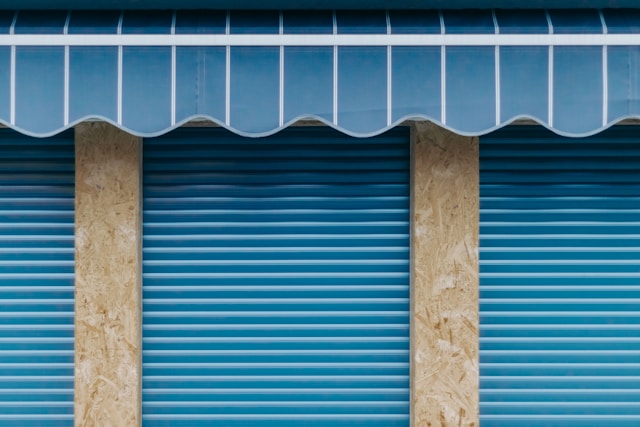
Awnings are more than just stylish additions to your home; they are vital in enhancing energy efficiency. By providing shade over windows and outdoor spaces, awnings significantly reduce heat gain during the hot summer. This added layer of protection keeps interiors cooler, which can lead to lower air conditioning costs. Homeowners can enjoy comfort while also minimizing their carbon footprint. In addition to energy savings, these features also protect furniture from fading caused by direct sunlight. This longevity adds value to your investment while creating inviting outdoor areas where you can easily relax and entertain.
Roofing: A Key Element in Sustainable Design
Roofing plays a crucial role in sustainable home design. It acts as the first line of defense against weather elements, but its impact goes beyond protection. Choosing energy-efficient roofing materials can significantly reduce heating and cooling costs. Reflective or green roofs help regulate indoor temperatures, minimizing reliance on HVAC systems. Moreover, innovative designs incorporate solar panels into roofing structures. This not only harnesses renewable energy but also reduces carbon footprints. Sustainable roofing options often utilize recycled materials, further promoting environmental responsibility. These choices contribute to reducing waste while enhancing durability. Incorporating proper insulation within the roof structure enhances energy efficiency even more. A well-insulated roof keeps homes comfortable year-round and lowers utility bills. Investing in quality roofing is vital for creating an eco-friendly living space that stands the test of time.
Aesthetic and Functional Integration
Awnings and roofing play a pivotal role in harmonizing aesthetics with functionality. They can transform a home’s exterior, adding character while serving practical purposes. Consider awnings that complement your home’s architectural style. A carefully chosen design enhances curb appeal and offers protection from harsh weather conditions. This dual purpose ensures that beauty doesn’t compromise utility. Roofing materials have come a long way, too. From sleek metal options to eco-friendly tiles, homeowners can select designs that reflect personal taste without sacrificing energy efficiency or durability. The integration of these elements fosters an inviting atmosphere outdoors. Shaded areas beneath awnings create comfortable spaces for relaxation, while stylish roofs provide visual interest from every angle. These features elevate the overall design when thoughtfully combined, making a home attractive and sustainable.
Conclusion
Sustainable home design is about making smart choices that benefit the environment and our living spaces. A harmonious blend of aesthetic appeal and functionality is essential in sustainable design. Both awnings and roofing contribute to energy savings and the overall beauty of your home. When designed thoughtfully, they complement each other perfectly while meeting the needs of modern living.


