
Building a versatile wardrobe does not require buying new clothes every season. A small collection of reliable pieces can provide plenty of outfit options when each item fits well, suits your lifestyle, and works with other clothes you own. The goal is to make getting dressed easier without sacrificing personal style. Instead of filling a closet with items that rarely get worn, focus on clothing that offers comfort, practicality, and flexibility. With thoughtful choices, a few well-made basics can support outfits for work, casual outings, travel, and special occasions. A more considered wardrobe can also reduce unnecessary spending and make everyday dressing less stressful.
Identifying Your Everyday Clothing Needs
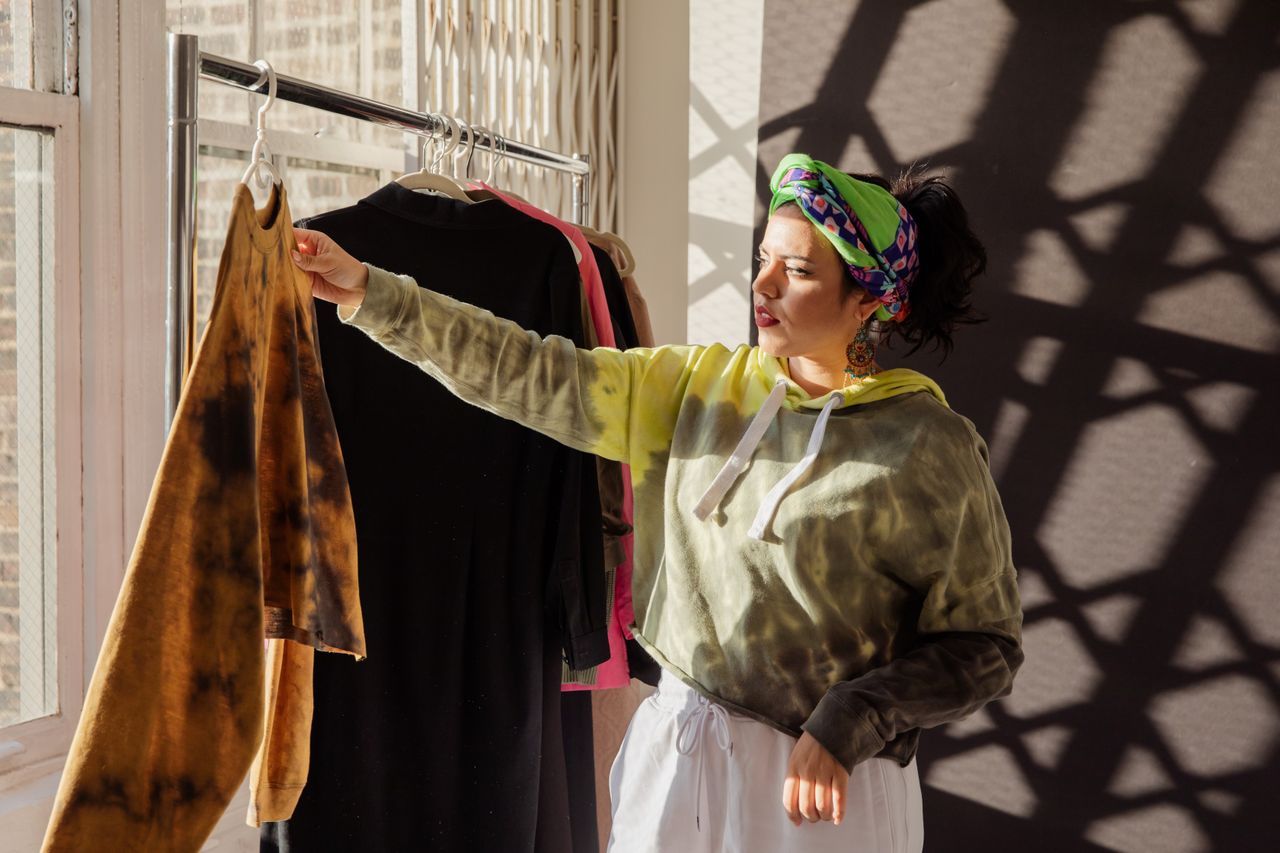
Before purchasing anything, consider how you spend most of your time. Someone who works in an office may need tailored trousers, shirts, and comfortable formal shoes. A person with a more casual routine might get greater use from jeans, simple tops, and lightweight layers. Your wardrobe should reflect your actual activities rather than an idealized lifestyle. Look at the clothes you reach for most often. These items can reveal preferred colors, useful silhouettes, and fabrics that feel comfortable throughout the day. Notice which pieces remain unworn and consider why they do not suit your needs. This review helps you identify gaps without replacing everything you own. You may already have several useful pieces that work well together. Building around them creates a practical starting point and prevents purchases that add little value to your daily routine.
Choosing Reliable Wardrobe Essentials
Wardrobe essentials are the foundation of a flexible clothing collection. These often include a well-fitting pair of jeans, neutral trousers, plain T-shirts, a button-down shirt, a comfortable sweater, and a jacket suitable for your climate. The right selection depends on personal preferences, workplace expectations, and daily activities. Prioritize fit and comfort over trends. Clothing that allows you to move easily and feels good against your skin is more likely to become part of your regular rotation. Check the fabric, seams, fastenings, and overall construction before buying. A simple item made well can remain useful longer than a trend-driven piece that loses its appeal quickly. You do not need to purchase every recommended basic. Choose the items that complement your existing clothes and support your routine. If you rarely wear formal clothing, an expensive blazer may be less useful than a versatile cardigan or lightweight jacket.
Coordinating Colors and Patterns
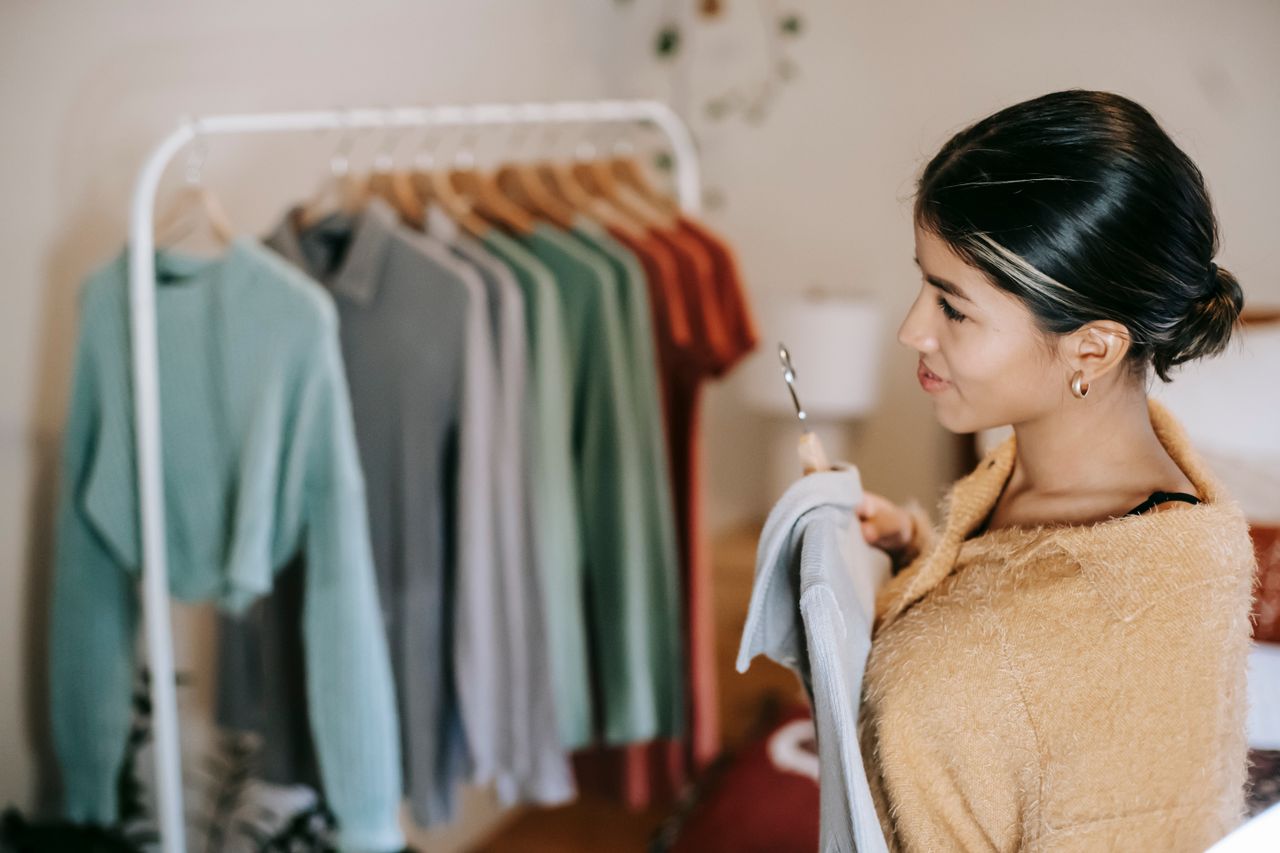
A consistent color palette makes a small wardrobe easier to combine. Neutral shades such as black, white, gray, navy, beige, and brown can provide a dependable base. You can then add a few preferred colors that reflect your personality and complement the rest of your collection. This approach does not mean every outfit must look plain. A patterned shirt, colorful knit, or statement accessory can add interest without making coordination difficult. The key is choosing colors that work with several items you already own. Before purchasing something new, imagine at least three outfits you could create with it. If the piece only works with one specific item, consider whether it deserves space in your wardrobe. Thinking in combinations helps you buy with purpose and reduces the chance of accumulating clothes that are difficult to style.
Creating More Outfits Through Layering
Layering allows the same clothing pieces to serve different purposes across seasons and occasions. A plain shirt can be worn alone in warm weather, under a sweater when temperatures drop, or beneath a jacket for a more polished appearance. Small changes can create noticeably different results. Consider combining different textures and shapes. Denim, cotton, knitwear, and structured fabrics can add depth even when the colors remain simple. A lightweight overshirt may make a basic outfit look more intentional, while a cardigan can provide warmth without feeling too formal. Pay attention to proportion when layering. A loose top may pair well with fitted trousers, while a structured jacket can balance a softer silhouette. Avoid adding layers simply for variety if they make an outfit uncomfortable. Practical combinations should suit the weather and allow you to move freely.
Selecting Accessories for Greater Flexibility
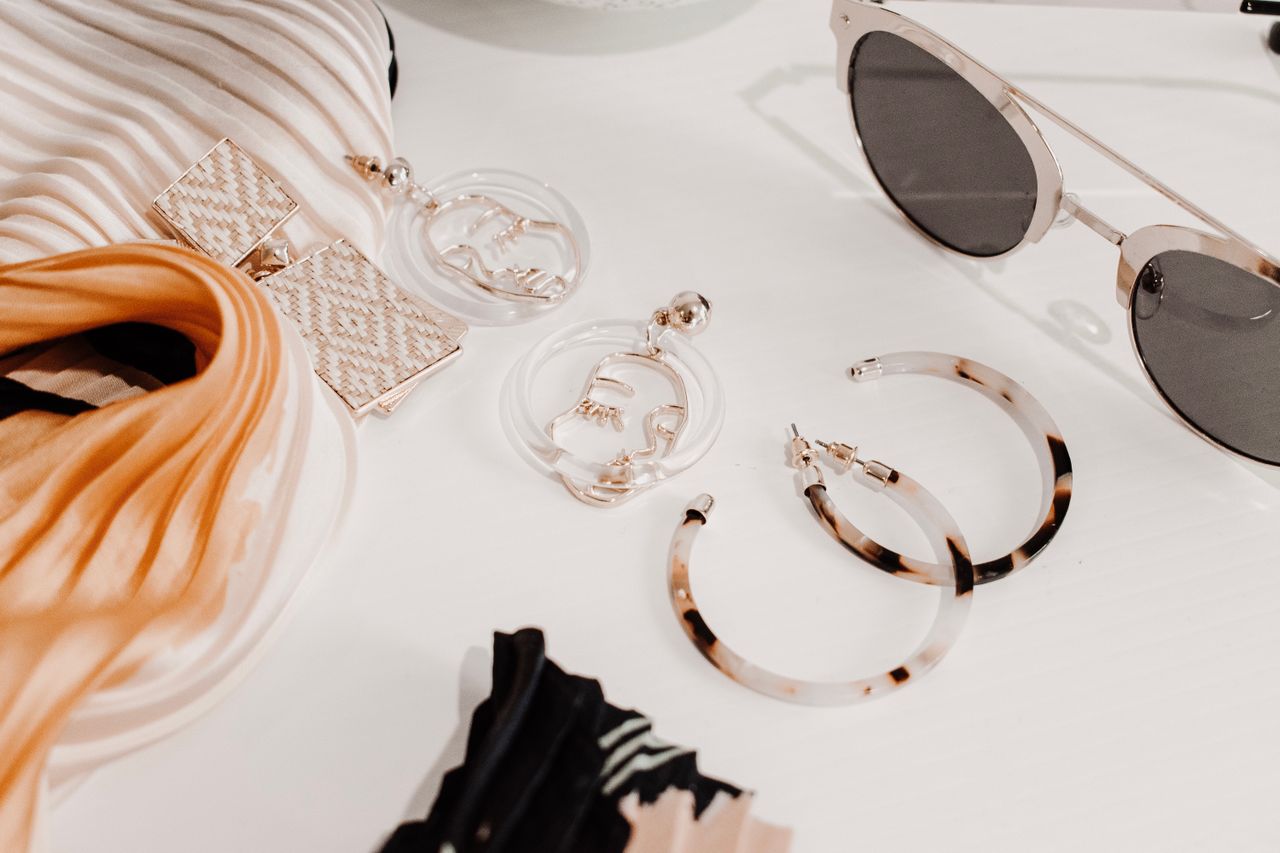
Accessories can change the character of an outfit without requiring additional clothing. A belt, watch, scarf, handbag, or simple jewelry can make familiar pieces feel appropriate for different settings. Shoes are especially useful because they influence both comfort and formality. For example, jeans and a plain shirt may feel relaxed with sneakers but look more refined with loafers and a structured bag. The clothing remains the same, yet the overall impression changes. This flexibility is valuable when you need outfits for several occasions but want to keep your wardrobe compact. Choose accessories that fit your habits and coordinate with multiple outfits. A few dependable options are often more useful than a large collection that rarely gets worn. Comfort matters, too. Shoes that look attractive but cause discomfort are unlikely to become reliable everyday choices.
A versatile wardrobe needs regular care. Follow garment washing instructions, store clothing properly, and repair loose buttons or small tears before they become larger problems. Proper maintenance helps preserve appearance and extends the useful life of your favorite pieces. Review your wardrobe occasionally as your needs change. A new job, different climate, or shift in daily routine may require a few adjustments. Replace worn essentials when necessary, but avoid treating every seasonal trend as a reason to shop. Building a flexible wardrobe is about making thoughtful decisions, not following strict rules. Choose clothing that fits your life, coordinate pieces around a manageable color palette, and use layers and accessories to create variety. With a few dependable items and consistent care, getting dressed can become simpler, more affordable, and more personal.


